About

AdultEducationIreland.ie is run by NACED, the National Association of Community Education Directors, and kindly supported and funded through member schools, the ACCS (Association of Community and Comprehensive Schools) and Solas (The Further Education and Training Authority).

The purpose of this site is to promote adult education and life-long learning, and to help interested individuals find information on the broad range of courses delivered through our member schools.

Who is adult education for?

Adult education courses are open to anyone in the community aged 16 or older who would like to learn a new skill, engage in further education, take up a new hobby, or simply meet new people.

In the vast majority of cases you do not need any previous experience or formal education to sign up for a course. There are numerous benefits to taking part in a night class.

In addition to learning a new skill or gaining a useful qualification, you have the opportunity to meet new people, engage with your local community, get fit and active, and find a worthwhile way to spend the winter evenings.

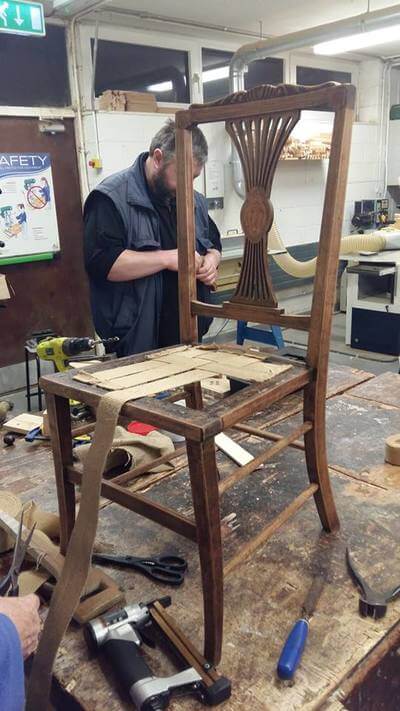
Participants on many of the hobby courses tend to come back term after term, and form a close-knit (no pun intended) bond with their fellow woodcarvers, artists or patch workers. ​

adult-education-pet-care-course

When do courses run?


Most evening and night classes run for 8-12 weeks in both the Autumn Term (starting late September/early October) and the Spring Term (starting late January/early February).
 
A small number of schools also run a limited programme during the Summer Term (starting March/April). You’ll find full details of each school’s Adult Education offer by clicking on the school image on the Contact page. 
 
Classes normally run for a single, stand-alone term, though some courses have follow-on options in the following term(s), for example you sign up for a beginners Spanish course in the Autumn Term and then choose to do an improved beginners course the following Spring Term, or at a later date. 

What sort of courses are available?


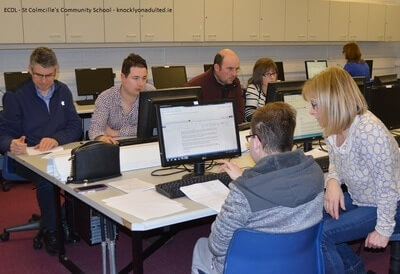
Our schools run a broad range of hobby and certified courses, from Art and Pottery to Yoga and Zumba, with QQI certified SNA courses, Healthcare support and Animal Care courses; ECDL modules and Irish Sign Language courses also available across the network.
 
You’ll find lots more information on the sort of courses available on our Courses page.
 

How do I sign up for a course?


NACED/Adult Education Ireland do not take any enrolments directly. To enroll on a class you will need to contact the relevant school directly. Most schools have online, phone and in-person enrolment options available.

Course fees are paid in full in advance (in most cases) and relevant fees must be paid before the course begins. Some courses are over subscribed, and occasionally courses are cancelled due to insufficient interest. Signing up early is recommended.

We’ve summarised some of the information on our Courses page to make it easier to find the course your looking for, but the best way to find the most up-to-date information is via the school links on our Homepage.

Useful information is also posted on our Facebook page in month leading up to term starts, and we usually list all the schools in our network that run each particular course. Be sure to like our page, and to share our posts with others that you feel would be interested.


How do schools join the NACED network?

Why Choose Us

Achieve QQI Certification

Learn new Skills

Make new Friends

Socialise and Learn within your Community

Testimonials

Adult Education opens so many doors, from career change to hobbies, lifelong learning and upskilling. It is a wonderful way of continuous personal growth. All in your community!
Peter Keohane, Principal, Donahies Community School, Dublin 13
Adult Education in a Community School enables the school to fulfil its role in the community, by providing an educational service to all members of the local community.
Séamus Scully, Deputy Principal, Scoil Mhuire, Clane, Co. Kildare
Our Adult Education programme also serves as a platform for community members to connect and engage with each other, leading to increased social capital and a stronger sense of community.
David Hayes, Principal, Malahide Community School, Co. Dublin.